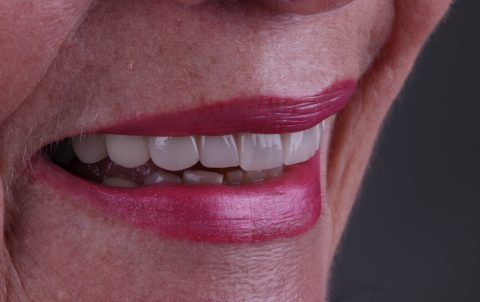
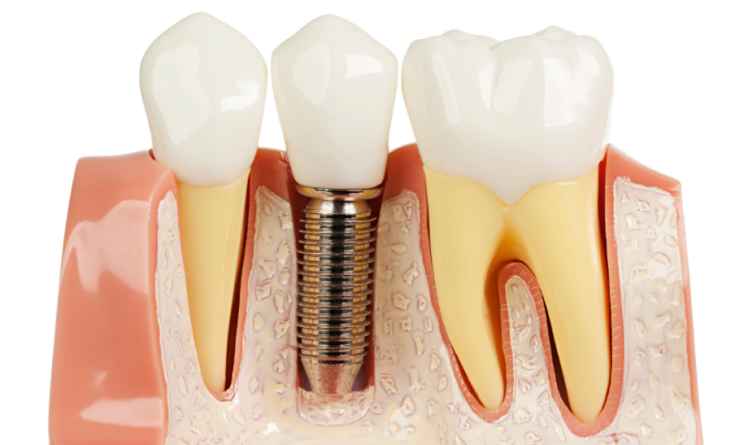
Implants are metal elements that are surgically placed in the jawbones, under the gums. Once in place, the dentist can place fixed crowns or bridges over them that will replace the missing teeth.
How do dental implants work? The implant fuses with the jawbone, providing stable support for artificial teeth. Prosthetics and bridges placed on implants do not slip or move in the mouth, which is an especially important advantage for chewing and speaking. This adaptation helps prostheses and bridges (as well as individual crowns on implants placed) feel more natural than conventional ones.
For some people, ordinary bridges or prostheses are uncomfortable because they irritate, have too narrow edges, or cause nausea. In addition, traditional bridges must be attached to the teeth on both sides of the empty space. An advantage of implants is that it is not necessary to wear down the adjacent teeth to support the replacement teeth.